
MANUFACTURING
Authority crosses the IT and OT boundary even when your controls do not
Plant systems, engineering vendors, maintenance contractors, and corporate platforms were governed separately and connected gradually. The Gathid Authority Map models the authority those connections created.

Where authority accumulates in manufacturing
Manufacturing environments were built for availability. Plant and process systems were commissioned by engineering teams, integrated by vendors, and kept running through arrangements that predate current identity governance. Corporate identity was governed separately. The two environments are now connected through historians, MES platforms, remote support paths, and shared service accounts, and authority travels across those connections whether or not a register records it.
-
Engineering and integrator accounts retained for support long after commissioning
-
Shared plant and control-room credentials that map to a shift rather than a person
-
Maintenance and remote-support pathways into production environments
-
Corporate directory groups that unexpectedly grant reach into operational systems
Why current governance does not answer the question
Operational technology is typically assured by segmentation and by network controls. Corporate identity is assured by review and attestation. Neither discipline models the relationships that connect the two, so the question of what a single corporate identity could ultimately reach inside a plant is answered by architecture diagrams and assumption rather than by evidence.

What the Gathid Authority Map shows
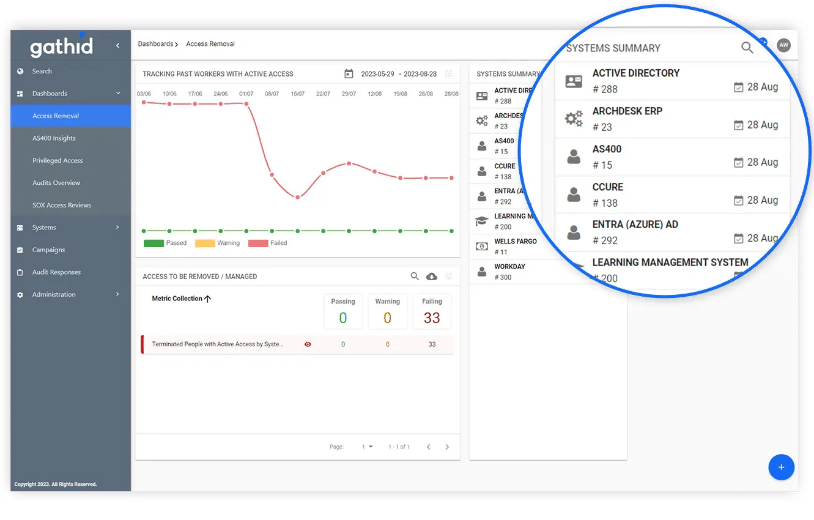
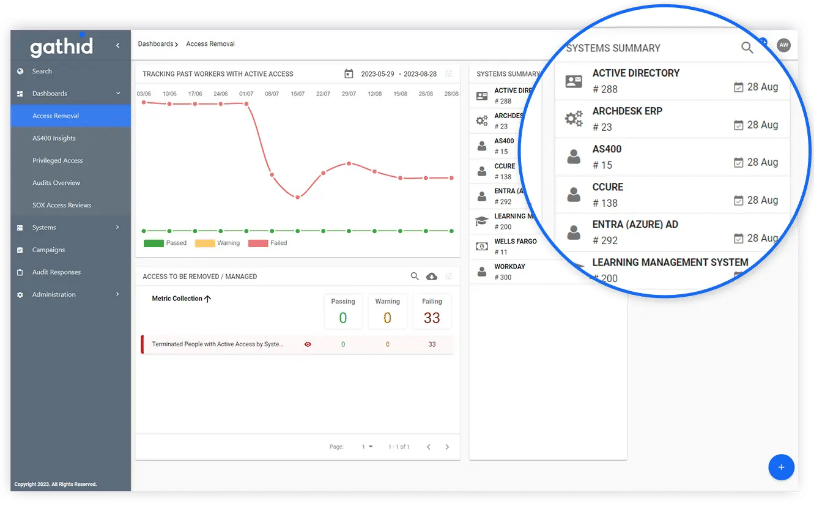
Gathid models identities, accounts, systems, and relationships across corporate and operational systems in scope, and traverses the relationships between them.
-
Authority pathways that originate in corporate systems and terminate in operational ones
-
Effective authority held by vendor, integrator, and maintenance identities
-
Shared and non-human accounts with production reach and no clear owner
-
Authority concentration across sites, where one identity governs several plants
-
Authority drift following commissioning, upgrade, and integration projects

What this makes possible
-
A stated, evidenced answer to what a compromised corporate identity could reach on the plant floor
-
Vendor and contractor exposure assessed on effective authority rather than contract terms
-
Site-by-site comparison of authority structure, not just control compliance
-
Safety and availability risk discussed with the same evidence base as security risk
How Gathid fits your stack
Alongside your stack, not instead of it. Gathid works with the IAM, IGA and PAM platforms the agency has already invested in, giving them a complete picture of authority to act on.
Understand, measure, control. Authority structures you can see, quantify and change deliberately, rather than discover during an incident or an audit.
Connected to where the work happens. The Gathid Authority Map is reachable through the API and a permission-scoped MCP server, and raises notifications and tickets in the service management systems your agency already runs.
Attributable by design. The model reasons, your people decide. Every change stays traceable to the officer who approved it, which is what makes the evidence hold in front of an audit office.
Book a Business Authority Exposure Briefing
Before Gathid, managing identity access felt like a maze. Now, it's streamlined and secure. A game-changer for our cybersecurity."
The Power of Gathered Intelligence
Inspired by the power of gathered identities, Gathid pinpoints identity and access anomalies, symbolized by our iconic blue dot. This isn’t just pattern recognition; it’s 20 years of expertise in distinguishing critical insights from the noise to ensure the integrity and security of your identity information across your systems.
Why Choose Us

Expertise & Experience
Gathid stands out with over two decades of industry leadership, offering unrivaled insights and proven solutions across complex identity landscapes.

Proactive Approach
Gathid helps anticipate and mitigate identity threats before they arise, ensuring your digital ecosystem remains resilient against emerging challenges.

Scalable
Solution
Our scalable solution adapts to your growing needs, ensuring seamless integration and performance regardless of your organization’s size.

End-to-End
Support
From initial consultation to ongoing utilization, Gathid provides comprehensive support, ensuring your identity governance framework thrives.
We partner with forward-thinking companies in sectors like mining, manufacturing and banking (spanning 1,000 to 100,000 employees) who put a premium on cutting-edge technology and ironclad security.
Frequently Asked Questions
What is Enterprise Authority Assurance?
It is knowing, at any moment, what every identity in the business could actually reach across both corporate and operational systems, and being able to prove it. Segmentation and network controls describe what is supposed to be unreachable. Identity reviews describe what was granted. Authority assurance models what the connections between those environments add up to once groups, shared accounts, integrations and remote-support paths are resolved, so the question of what an identity could reach inside a plant is answered with evidence rather than an architecture diagram.
What does “effective authority” mean in a plant environment?
Effective authority is what an identity can do in practice, as opposed to what it was assigned. A corporate engineer with a standard directory account may be able to reach a historian through a group membership, then an MES platform through an integration account, then a control-room workstation through a remote-support path set up during commissioning. None of those steps looks dangerous alone. Effective authority is the end of that chain, and it is what matters during an incident.
How is this different from our OT security monitoring?
OT monitoring tools watch traffic and assets inside the plant network and alert on anomalies. They see what is happening. Gathid models who could make something happen: the relationships between identities, accounts and systems that let authority travel from a corporate login to a production asset. The two are complementary. Monitoring tells you a change was made; the Authority Map tells you which identities could have made it and where else they could reach.
Does Gathid change access or make changes in operational systems?
No. Gathid reasons and raises what it finds; your people decide. Findings can be routed as notifications and work orders into the service management and maintenance systems that already run your sites, and every change remains attributable to the person who approved it. That matters most where a change touches a production environment, which is why automation is kept out of the loop by design.
How does Gathid handle shared control-room and shift accounts?
As what they are: identities that map to a shift rather than a person. The map shows each shared credential, the systems it reaches, the people and vendors known to use it and whether anyone is accountable for it. The goal is not to force every plant onto per-person logins overnight, which is rarely practical, but to make the authority behind each shared account visible so it can be reduced, owned and monitored deliberately.
Can we use Gathid to answer a regulator’s question about a specific identity?
Yes. When a regulator asks what a named account or credential could do, the firm can produce the pathways it holds, the systems those reach, the owner accountable for each, and the approvals that created them. Because the model is rebuilt from source data and every change is attributable, the answer holds up under follow-up questions, which is where estimates usually fail.
The Power of Gathered Intelligence