
HEALTHCARE
Clinical access is temporary. The authority it creates often is not
Rotations end, locum placements close, and emergency access is granted for a shift. The accounts, group memberships, and delegations behind them frequently remain. The Gathid Authority Map models what that leaves in place.

Where authority accumulates in healthcare
Healthcare identity is unusually mobile. Clinicians rotate between units and facilities, locums and agency staff arrive for short placements, students and registrars cycle through on fixed terms, and emergency access is granted because patient care cannot wait for a workflow. Each of those grants is clinically justified. Very few of them are structurally unwound, and the authority accumulates across clinical, diagnostic, and corporate systems.
-
Rotation and placement access that persists after the clinical attachment ends
-
Break-glass and emergency pathways granted at speed and reviewed afterwards, if at all
-
Agency, locum, and visiting clinician identities held across multiple facilities
-
Research, diagnostic, and third-party platform access layered over clinical systems
Why current governance does not answer the question
Credentialing establishes that a clinician is qualified to practice. Access review establishes that a manager signed. Neither establishes what a given identity can reach across the clinical record, diagnostic, scheduling, and corporate systems once inheritance and delegation are resolved. In a sector where the consequence of misuse is measured in patient records, that gap is the part that matters.

What the Gathid Authority Map shows
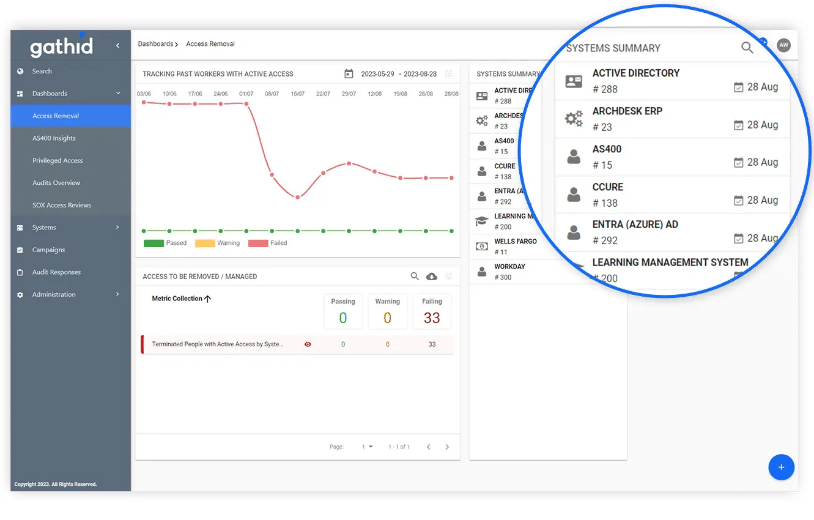
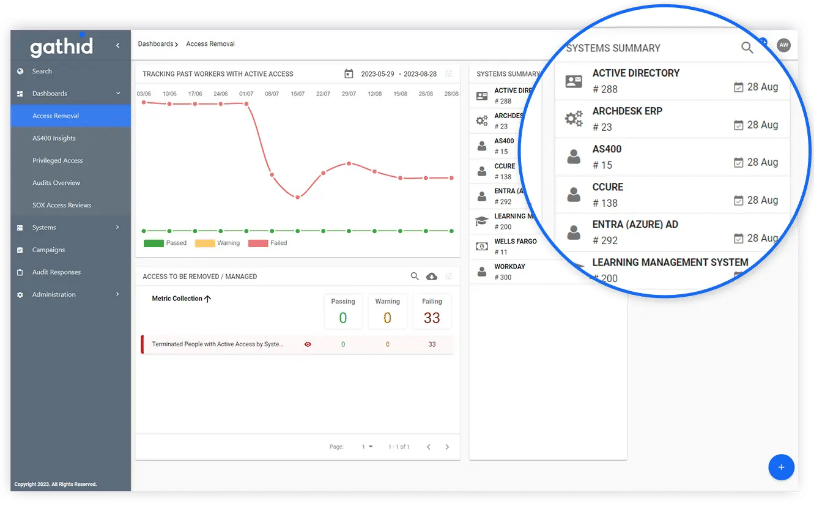
Gathid models the relationships across in-scope clinical and corporate systems and makes the resulting authority structure queryable.
-
Effective authority over patient records, resolved across every system in scope
-
Residual authority left by completed rotations, placements, and emergency grants
-
Authority pathways between clinical, diagnostic, research, and corporate platforms
-
Identities holding authority across multiple facilities or entities
-
Ownership gaps for shared clinical and departmental accounts

What this makes possible
-
Privacy exposure expressed structurally, rather than as a count of open findings
-
Residual clinical access identified without waiting for the next attestation cycle
-
Break-glass usage assessed against the authority it actually conferred
-
Confidence that offboarding closed the authority, not only the primary account
How Gathid fits your stack
Alongside your stack, not instead of it. Gathid works with the IAM, IGA and PAM platforms the agency has already invested in, giving them a complete picture of authority to act on.
Understand, measure, control. Authority structures you can see, quantify and change deliberately, rather than discover during an incident or an audit.
Connected to where the work happens. The Gathid Authority Map is reachable through the API and a permission-scoped MCP server, and raises notifications and tickets in the service management systems your agency already runs.
Attributable by design. The model reasons, your people decide. Every change stays traceable to the officer who approved it, which is what makes the evidence hold in front of an audit office.
Book a Business Authority Exposure Briefing
Before Gathid, managing identity access felt like a maze. Now, it's streamlined and secure. A game-changer for our cybersecurity."
The Power of Gathered Intelligence
Inspired by the power of gathered identities, Gathid pinpoints identity and access anomalies, symbolized by our iconic blue dot. This isn’t just pattern recognition; it’s 20 years of expertise in distinguishing critical insights from the noise to ensure the integrity and security of your identity information across your systems.
Why Choose Us

Expertise & Experience
Gathid stands out with over two decades of industry leadership, offering unrivaled insights and proven solutions across complex identity landscapes.

Proactive Approach
Gathid helps anticipate and mitigate identity threats before they arise, ensuring your digital ecosystem remains resilient against emerging challenges.

Scalable
Solution
Our scalable solution adapts to your growing needs, ensuring seamless integration and performance regardless of your organization’s size.

End-to-End
Support
From initial consultation to ongoing utilization, Gathid provides comprehensive support, ensuring your identity governance framework thrives.
We partner with forward-thinking companies in sectors like mining, manufacturing and banking (spanning 1,000 to 100,000 employees) who put a premium on cutting-edge technology and ironclad security.
Frequently Asked Questions
What is Enterprise Authority Assurance?
It is knowing, at any moment, what every identity in the health service could actually reach across clinical, diagnostic and corporate systems, and being able to prove it. Credentialing establishes that a clinician is qualified. Access review establishes that a manager signed. Authority assurance models what the grants behind those processes add up to once group memberships, delegations and system relationships are resolved, so the question of what an identity could reach in the patient record is answered with evidence rather than an attestation.
What does “effective authority” mean in a health setting?
Effective authority is what an identity can do in practice, as opposed to what it was assigned. A registrar who rotated out of a unit six months ago may still reach that unit’s records through a departmental group, a diagnostic platform through an integration, and the scheduling system through a delegation set up by a former manager. Each grant was clinically justified at the time. Effective authority is the sum of what remains, and it is what a privacy review will measure.
How is Gathid different from our access reviews or credentialing?
Credentialing answers whether someone is qualified to practice. Access review answers whether a manager checked a list and signed. Both describe intent and process. Neither states what a specific identity can reach across the clinical record, diagnostics, scheduling and corporate platforms right now, because that answer only exists in the relationships between systems. Gathid answers the structural question, and the existing processes continue to answer the qualification and approval questions.
Will this slow clinicians down or block emergency access?
No. Gathid does not sit in the path of any clinical workflow and does not grant, deny or delay access. Break-glass and emergency pathways work exactly as they do today. What changes is what happens afterwards: the authority an emergency grant conferred, and whether it was ever unwound, becomes visible without waiting for the next attestation cycle.
What does Gathid show about break-glass access?
Two things. First, what authority each emergency grant actually conferred, which is often broader than the clinical need, because break-glass is granted at speed and scoped afterwards, if at all. Second, whether that authority was ever removed. That lets clinical governance assess emergency access against its real consequence rather than its frequency.
How does Gathid handle shared clinical and departmental accounts?
As identities with real authority and often no owner. Shared ward, theatre and departmental logins are a practical reality in most health services. The map shows what each one reaches, who is known to use it and whether anyone is accountable, so the authority behind shared accounts can be reduced and owned deliberately rather than discovered after a breach.
The Power of Gathered Intelligence