
CIO
Every migration leaves authority behind in the system it left
Acquisitions, platform consolidations, and integration programs each create authority that outlives them. The Gathid Authority Map models the estate you actually operate, not the one your architecture diagrams describe.

The structural cost of change
Technology estates accumulate. An acquisition brings a directory that is never fully retired. A migration runs dual-running for longer than planned. An integration is built to unblock a program and remains in production for years. Each of these decisions was correct at the time. What they leave behind is authority spread across environments that no single team owns and no single register describes.
-
Acquired directories, tenants, and domains with standing trust relationships
-
Dual-running platforms where authority exists in both the old system and the new
-
Integration and migration service accounts that were never decommissioned
-
Vendor and system integrator identities retained past project close
Why this matters before automation
Automation applied to unclear authority amplifies risk rather than reducing it. Provisioning, role-based access, and identity workflow programs all assume the underlying authority structure is understood. Where it is not, the program automates the drift along with the design, and the result is faster propagation of the same structural problem.

What the Gathid Authority Map gives you
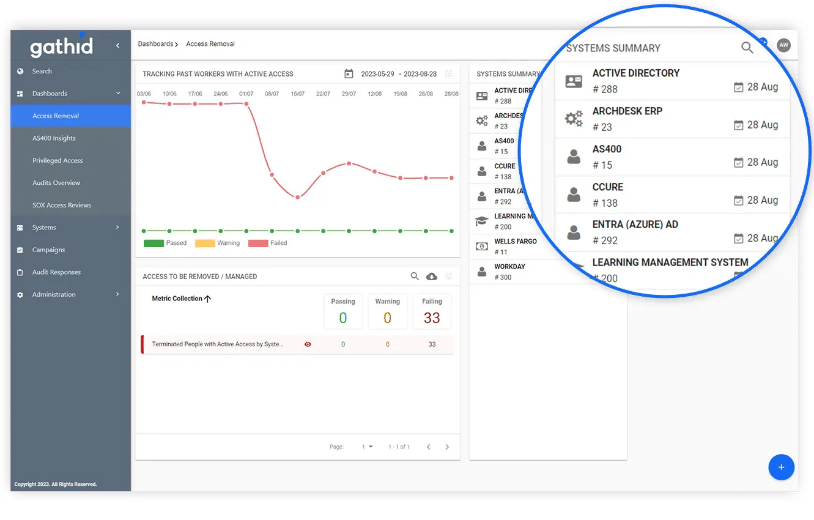
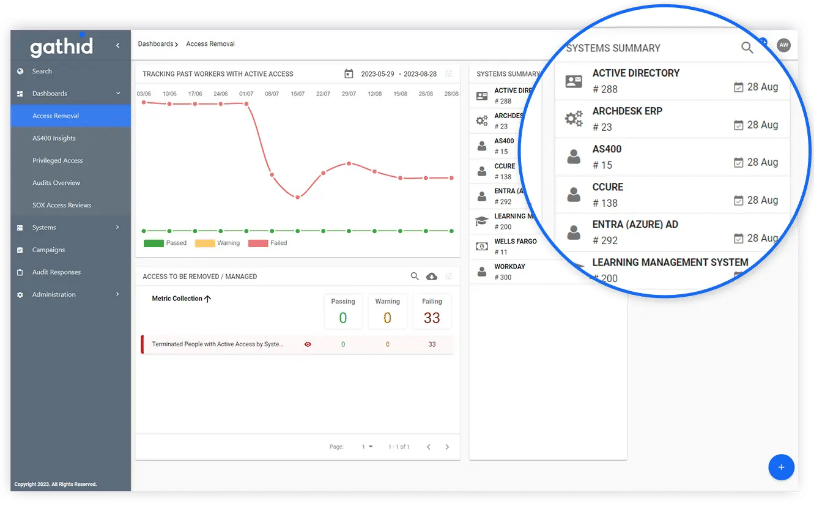
A relationship-accurate model of identity and authority across the systems in scope, maintained continuously rather than assessed periodically.
-
A current view of what each environment actually permits, including inherited authority
-
Authority pathways between legacy and target platforms during migration
-
Ownership gaps, showing where authority exists with no accountable owner
-
Effective authority held by vendors, integrators, and managed service providers
-
A queryable model, reachable through the API or a permission-scoped MCP server by your own teams and tools

What changes in practice
-
Decommissioning decisions made against evidence of what still depends on a system
-
Identity program scope set by structural risk, not by platform roadmap
-
Integration and acquisition risk quantified early rather than discovered late
-
A shared evidence base between technology, security, and risk, instead of three views
How Gathid fits your stack
Alongside your stack, not instead of it. Gathid works with the identity platforms across every environment you operate, including the ones an acquisition brought with it.
Understand, measure, control. Authority structures you can see, quantify and change deliberately, rather than discover mid-migration.
Connected to where the work happens. The Gathid Authority Map is reachable through the API and a permission-scoped MCP server, so your platform teams, service management and AI assistants can query it and act through your existing change process.
Attributable by design. The model reasons, your people decide. Every change stays traceable to the person who approved it, which keeps a cross-estate change auditable.
Book a Business Authority Exposure Briefing
Before Gathid, managing identity access felt like a maze. Now, it's streamlined and secure. A game-changer for our cybersecurity."
The Power of Gathered Intelligence
Inspired by the power of gathered identities, Gathid pinpoints identity and access anomalies, symbolized by our iconic blue dot. This isn’t just pattern recognition; it’s 20 years of expertise in distinguishing critical insights from the noise to ensure the integrity and security of your identity information across your systems.
Why Choose Us

Expertise & Experience
Gathid stands out with over two decades of industry leadership, offering unrivaled insights and proven solutions across complex identity landscapes.

Proactive Approach
Gathid helps anticipate and mitigate identity threats before they arise, ensuring your digital ecosystem remains resilient against emerging challenges.

Scalable
Solution
Our scalable solution adapts to your growing needs, ensuring seamless integration and performance regardless of your organization’s size.

End-to-End
Support
From initial consultation to ongoing utilization, Gathid provides comprehensive support, ensuring your identity governance framework thrives.
We partner with forward-thinking companies in sectors like mining, manufacturing and banking (spanning 1,000 to 100,000 employees) who put a premium on cutting-edge technology and ironclad security.
Frequently Asked Questions
What is Enterprise Authority Assurance, from a CIO’s point of view?
It is a current, accurate model of what every environment you operate actually permits, including the environments an acquisition brought with it and the ones a migration was supposed to retire. Architecture diagrams describe the estate as designed. Registers describe what was granted. Authority assurance models what those grants add up to across directories, tenants, platforms and integrations once inheritance, trust relationships and service accounts are resolved, so change programs can be planned against the estate as it is.
How is this different from an identity governance program?
A governance program manages the lifecycle of access: requests, approvals, provisioning and reviews. It assumes the underlying authority structure is understood, and in an estate shaped by years of change it usually is not. Gathid supplies that understanding. It does not replace governance tooling; it gives it an accurate picture to operate on, which is the difference between automating a design and automating the drift along with it.
How does Gathid help with an acquisition?
By showing what you have inherited before you integrate it. An acquired directory or tenant arrives with its own trust relationships, administrative accounts, vendor identities and integrations, built by a different organization under different rules. The map models that environment alongside your own, shows where the two already connect, and quantifies the authority the acquisition brings, so integration risk is priced early rather than discovered late.
Can Gathid tell us whether a system is safe to decommission?
Yes, from the identity side. The map shows which identities, service accounts and integrations still depend on a system, what authority still flows through it and what would break or be left exposed if it were switched off. Decommissioning decisions can then be made against evidence of what still depends on the platform, rather than against the absence of complaints.
What does Gathid show during a migration with dual-running platforms?
As identities with authority, assessed on what they can actually reach rather than on what the contract says. Integrator accounts retained past project close, MSP administrative access that outlived the engagement and migration service accounts that were never decommissioned all appear with their full reach and their owner, or the absence of one. For most estates this is the first finding.
Can our platform teams and tools query it directly?
Yes. The map is reachable through the API and through a permission-scoped MCP server, so platform teams, service management workflows and AI assistants can ask what an identity, account or environment actually permits from inside the tools they already use. Every query runs under the requesting user’s own permissions, and nothing writes back into your source systems.
The Power of Gathered Intelligence